
Nkrumah Needed Nine consecutive Years: Why Ghana Cannot Afford to Lose Mahamas Momentum
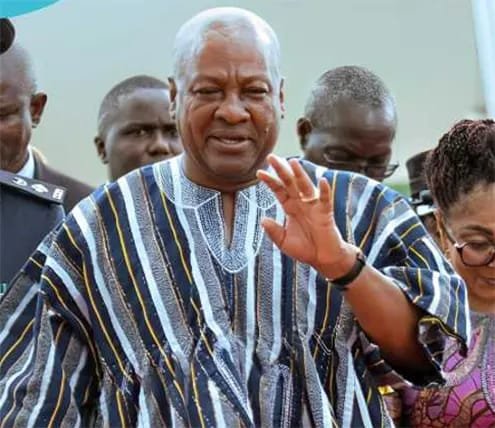
It took the first president of the Republic of Ghana, Osagyefo Kwame Nkrumah, nine consecutive years to make a significant impact in the development of Ghana. That historical benchmark matters in the current debate of a third term because it reminds Ghanaians that nation-building is not an event but a long, deliberate process. Nkrumah inherited a colonial economy and spent nearly a decade laying the foundations of a modern state, from the Akosombo Dam to the network of roads, schools and industries that still shape national life. The lesson is simple: meaningful transformation requires time, continuity and experience. It is against this backdrop that many Ghanaians are now looking at President John Dramani Mahama and asking whether the country can afford to lose the momentum of his leadership.
His impressive projects, such as the Accra–Kumasi Expressway, the 1,500-metre Dambai Bridge over the Oti River and other high-end infrastructure initiatives, have convinced a growing number of citizens that he deserves the opportunity to do more. For them, these are not just concrete and steel; they are symbols of a leader who understands the scale of national ambition and has the experience to deliver it. Civil Society Organisations such as GHAPRO and the New Voter Forum are advocating for a third term for President Mahama and have called for a transparent national conversation. They cite “unfinished business,” regional instability and economic pressure as reasons why continuity matters at this critical moment. They argue that the 1992 Constitution can be amended under Article 290, pointing to Mahama’s experience and the need for policy continuity. Whether one agrees or disagrees, the call is for dialogue rather than dismissal.
Others say that President Mahama is relatively young and one of the best and brightest leaders on the African continent. They insist that he is the right person for such a time in the history of Ghana. This is supported by his massive reputation and recognition on the international stage, where he has become an outspoken advocate for African sovereignty and reform. Mahama was ranked fifth on the Devex list of the 50 most influential people in global development. The World Affairs Council of Philadelphia conferred its highest distinction, the International Statesperson Award, upon him, and he made history as the first African leader to receive this recognition since its inception in 1973.
He has also been recognised at the World Health Summit in Berlin for his contributions to global health leadership, specifically for championing regional pharmaceutical self-reliance. International observers and political analysts frequently note that Mahama’s addresses at the United Nations General Assembly give a “human face” to global diplomacy. He has earned significant respect across the Global South for fearlessly challenging the outdated 1945 structures of the UN Security Council and demanding permanent African representation.
His UN speeches have successfully mobilised broader international support and dialogue surrounding truth, reconciliation and reparatory justice for the historical trauma of the transatlantic slave trade. Taken together, the argument is that Ghana stands at a rare crossroads. The question is not simply about one man or one term but about whether the nation can sustain a development trajectory long enough to bear fruit. Nkrumah needed nine consecutive years. Supporters of Mahama believe he has the experience, the credibility and the international standing to build on what has been started. It will be an unpardonable mistake if the people of Ghana allow this great opportunity to slip through their fingers.
Be the first to comment.